
She notices them in the car on the way to a meeting. There are a few white flecks on the shoulder of a black blazer and one or two caught at her parting. She brushes them off, checks the mirror and decides she will deal with it at the weekend. By the weekend she has a plan. It is usually the same plan she has used for years.
Almost every flake gets called dandruff. It is the word most of us grew up with and it seems to describe what we can see. But flakes come from more than one place. Some come from build-up, some come from a dry scalp and some are dandruff. On a dark collar they look alike. Underneath, they need different care and treating the wrong kind can make it worse.
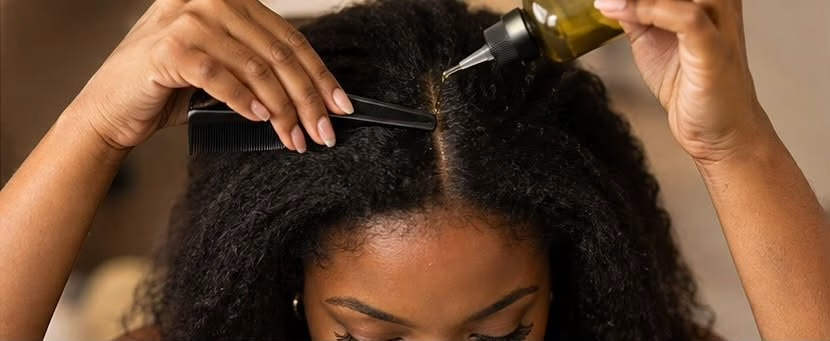
The first thing many women reach for is oil. It is easy to see why. Oil lays the flakes down, the scalp looks calmer and the itch eases for a day or two. To the eye, the problem has been dealt with.
What oil does is hide the flakes. It does nothing about why they formed. If the flakes are dandruff, the yeast behind them feeds on the scalp’s oil, so adding more gives it more to work with. If the flakes are build-up, oil is one more layer on a scalp that is already carrying too much. The scalp oils and glossifiers sold for flakes work in much the same way. They soften the flakes so they wash out more easily and they make them less visible. They do very little to improve the scalp itself.
The second reflex is scratching. A tail comb lifts the flakes and the relief is real. It also scratches the skin. A scalp that is sore or broken has to settle before most scalp treatments can be used on it.
The third reflex is an anti-dandruff shampoo and this one is sensible. When the flakes are dandruff, it is the right place to start. When they come from somewhere else, it will not sort them out, however faithfully it is used.
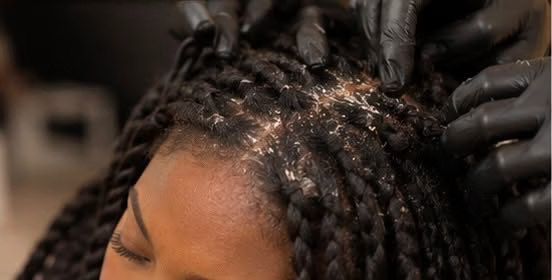
Your scalp is skin and it sheds all the time. Normally a wash carries that shed skin away before anyone sees it. When the time between washes stretches, the shed skin stays where it is. This happens under braids, under a wig or over the weeks of a style you want to keep. There it mixes, with gel, oil, edge control, sweat, dust and the minerals in Lagos water and it settles at the roots. When the style comes down, it lifts away as flakes.
None of this is dandruff and an anti-dandruff shampoo is not what it needs. It needs to be cleared. A thorough wash shifts most of it.
Where flakes are still holding on to the scalp after a wash, we exfoliate it. The exfoliation uses alpha hydroxy acids, the same family of gentle acids used to exfoliate the face. They loosen what holds dead skin and residue to the scalp so it lifts away when the scalp is rinsed. We only exfoliate a scalp that is calm and intact. Because the exfoliation leaves the scalp clear and receptive, we follow it with a treatment for your hair in the same session.
Flakes From a Dry Scalp

A dry scalp is skin that is short of water. Usually its barrier, the outer layer of skin that holds water in, has been weakened and the water escapes. It often feels tight and itchy, especially after washing. Harsh or stripping cleansers can cause it, as can very hot water, Harmattan air and long days in air conditioning. Chemical services that leave the scalp irritated can cause it too. So can dehydration, when the body itself is short of water.
A dry scalp is not a dandruff scalp and it is easy to see how one gets mistaken for the other. Both itch and both flake. But a dry scalp needs gentle cleansing and conditioning that protect the barrier while it recovers. In the salon we use a niacinamide scalp treatment. Niacinamide supports the skin’s barrier and comfort, so it soothes a scalp that is dry, itchy or tender. We apply it to intact skin only.
Flakes That Are Dandruff
Dandruff is common and nothing to be embarrassed about. Almost every scalp carries a yeast that feeds on its oil. On some scalps that yeast causes an irritation that speeds up shedding. The skin cells then clump together into flakes you can see, often with an itch. For some women it gets worse with oil left on the scalp, sweat, long gaps between washes or stress. It tends to come and go, so it is something we manage rather than something we get rid of once.
When you choose a shampoo for dandruff, look at the ingredients. Piroctone olamine and ketoconazole both work on the yeast and are the ones we look for. Use the shampoo as its label directs, which usually means leaving it on the scalp for a few minutes before rinsing. At the start, it also helps to wash your hair several times a week.
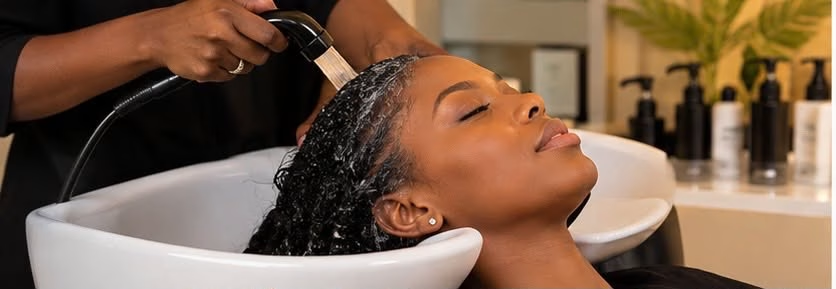
In the salon we use an antimicrobial wash. It is a targeted cleanse that works on what is living on the scalp as well as what is sitting on it, so it calms and clears the scalp rather than only rinsing it. It does not cure dandruff. It brings a scalp that has been flaking back into balance so it can be looked after from there. Where a scalp is painful, has open skin or shows patches that are spreading, it needs a doctor’s eye as well as ours.
Why Order Matters
A scalp can carry more than one of these at once. Build-up can sit on top of dandruff. A dry scalp can hide under weeks of product. That is why the order of care matters as much as the care itself.
Build-up is cleared first so that whatever comes next can reach the skin. A sore scalp is calmed before it is exfoliated. A dry scalp is given back its comfort before anything stronger is used. So if we suggest something else first, it is so the treatment you came for actually works.
Coming Back To It

In your hand and on a dark collar, every flake looks the same. A closer look tells them apart and once we know which kind your scalp has, looking after it is simpler than it seems.
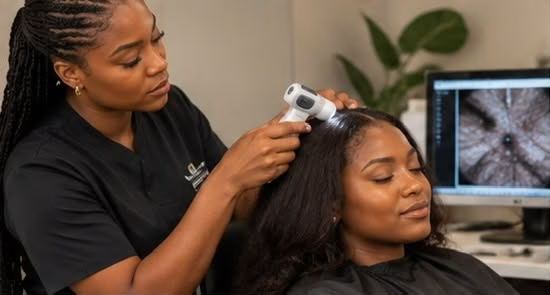
Our treatment sessions open with a complimentary consultation with a hair therapist, who looks at your scalp before anything is applied to it. For a scalp that needs more time, our head spa offers the Scalp Health session in the private room. It runs for about ninety minutes and opens with a magnified assessment. From there it draws on exfoliation, antimicrobial cleansing, barrier repair and scalp hydration, depending on what your scalp shows that day. Anything we recommend for home is chosen after we have seen your scalp.
Tresses Lagos Trichology
Not sure which kind you have? Book a scalp analysis and we’ll tell you.
Subscribe to our weekly newsletter for expert tips and tricks on healthy hair care and get our free Hair PlayBook.
